

Flower Tasks for June
On growing & arranging this month
What to do in June
Top tips for growing flowers this month; green manures make for easy weeding, planting out and feeding.
Anyone else wondering where we are in the year? The grass and heat in the last few weeks had me in August but this week feels like early May with the weather. Growers around me reporting that many of the failsafe June flowers are already over.
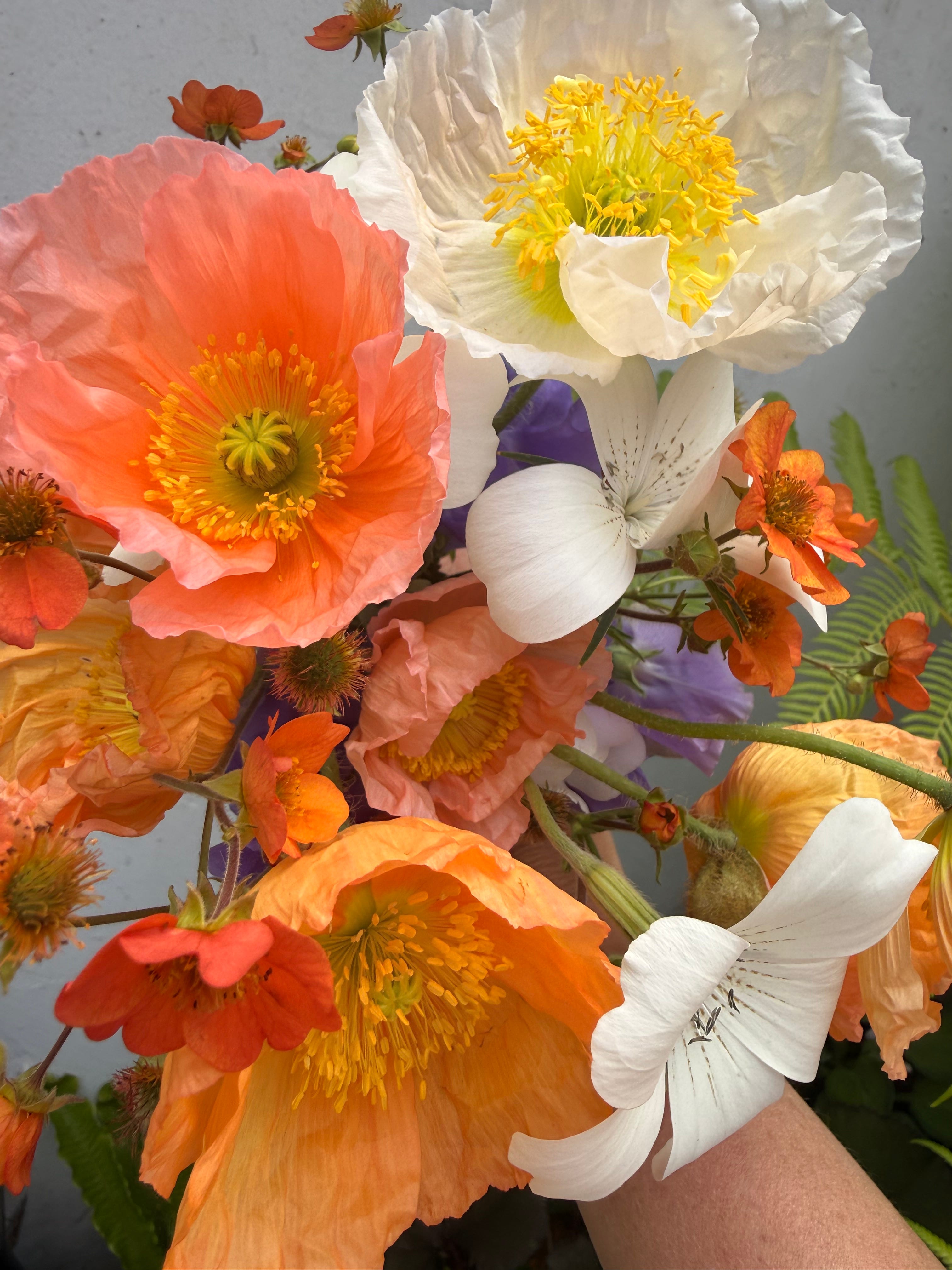
I reminisced over old photos where there has sometimes been ranunculus and growing, Irises (or peonies/ poppies/ and all the other perennials) with biennials of sweet rocket, wallflowers and honesty all going over to seed far earlier that one would expect.
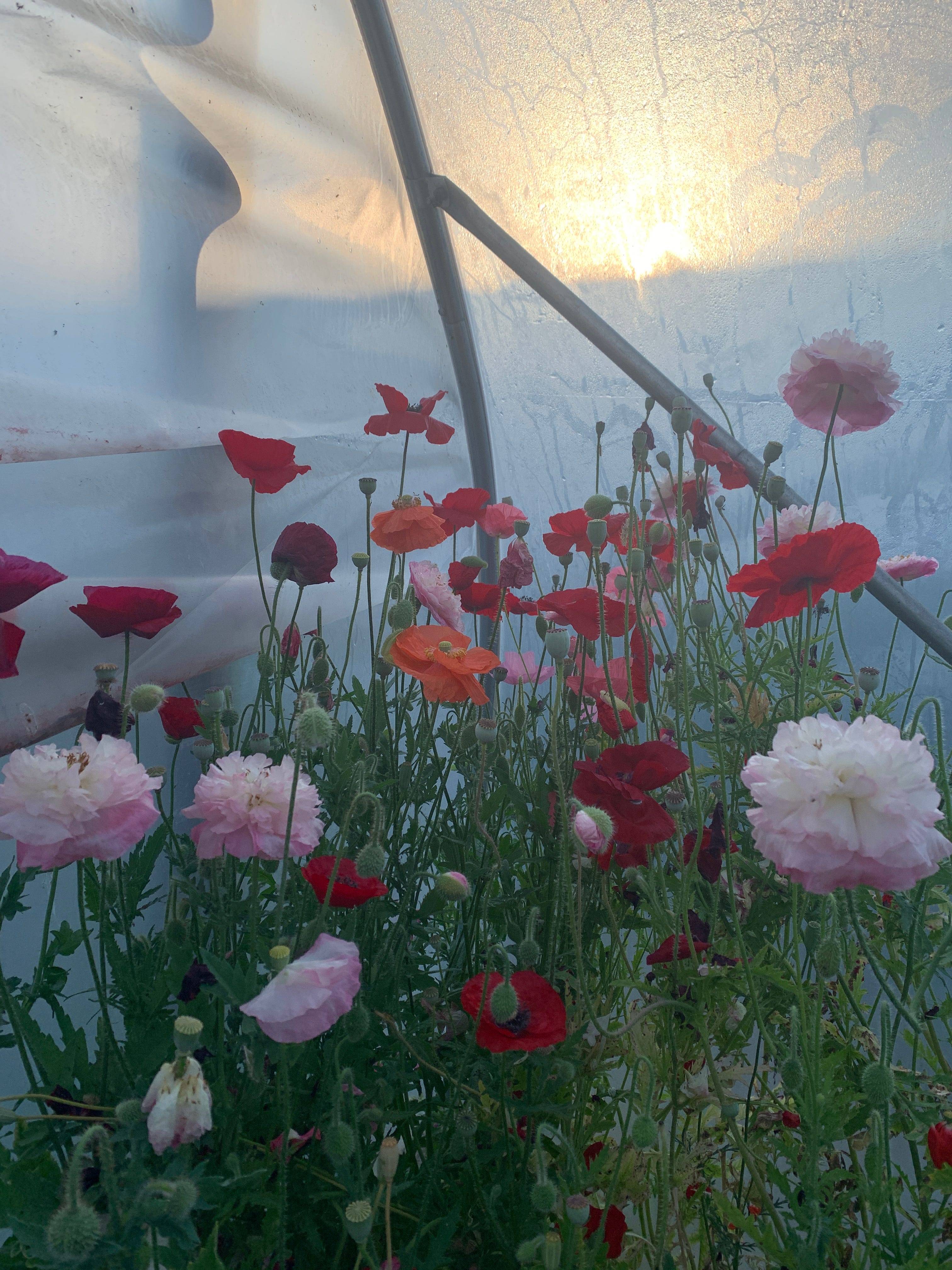
There may be gaps this early summer. It might be worth having a final little go at sowing some late summer colour even now since the temperatures are lower. Another trick is to drop in pots of ready grown plants (make a note for next year too). I kept lots of plants in pots, in the shade whilst the temperatures soared and planted them out earlier this week just before the rains. You can’t plan for this kind of thing and I was lucky there. But then I also was unlucky in that so much of what I would expect to bloom in June, is over already. Hopefully July and further will be wonderful!
Ideally, you’d begin these plants from seed undercover a few months ago, otherwise buy small plug plants (from the market or check your local flower grower), pot on into a larger one and literally drop in to the border. You can leave these sitting on top of the soil or cut the bottom out and sink the bottoms in. Good plants for this are dahlias, nasturtiums and cosmos. All will rise up over the June bed and blur all the edges. A great trick this. When the days might be shortening already, there is still a good 12 weeks of summer garden to enjoy.
In the garden, the rising temperatures and longer days create rapid flourish, then as the year turns, annuals will race to flower and set seed in earnest so that their offspring will germinate before the winter. Literally making hay whilst the sun shines. Remember to cut the flowers, or at least remove spent blooms to welcome the next set of stems to follow on. This way flowers will continue for many weeks.
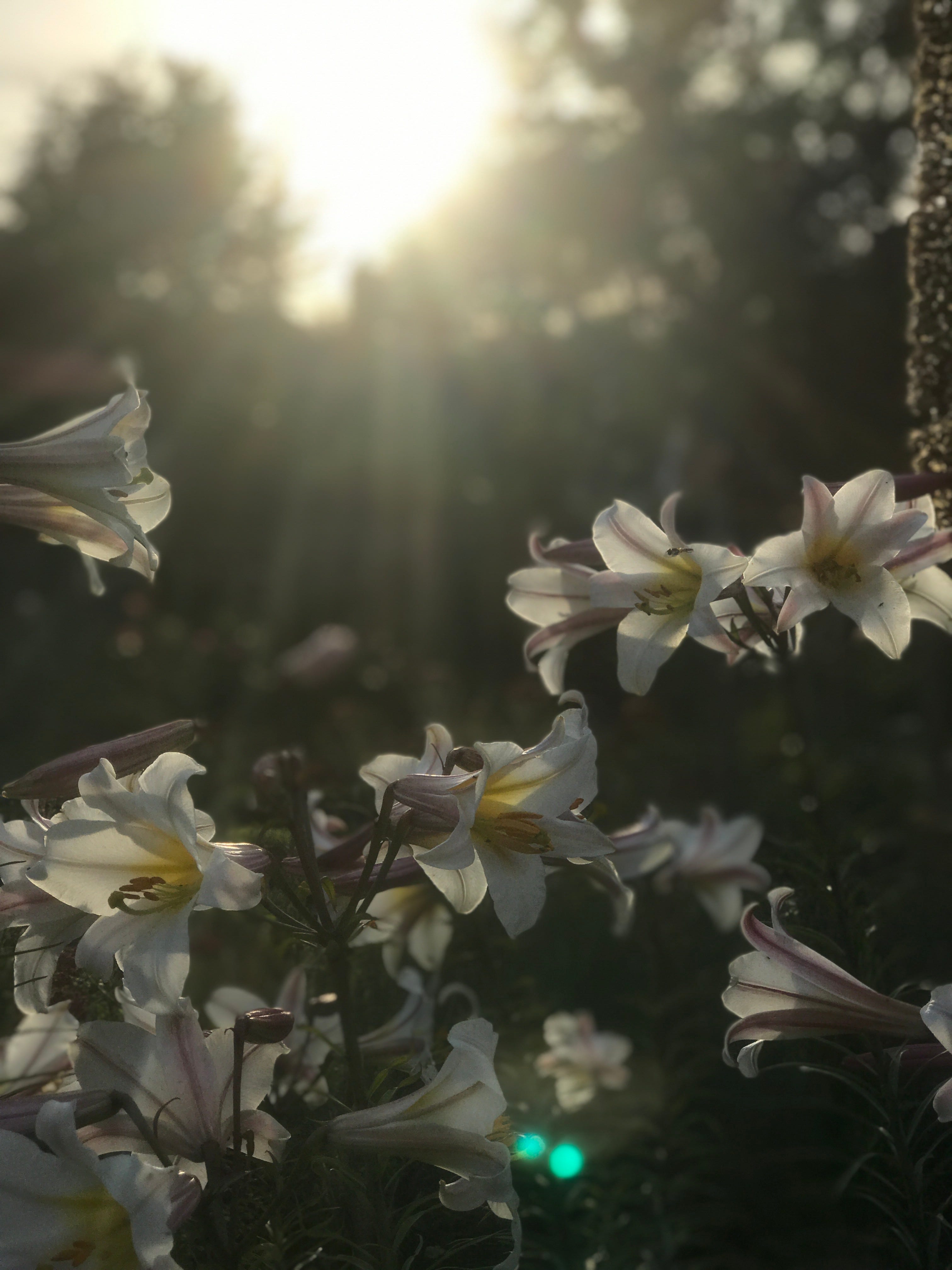
JUNE FLOWER GROWING TASKS
I am loving the long days. Friends who hate the winter think I am trite for saying so, but as a lapsed catholic, I adore the delayed gratification of the summer after the winter’s challenges. But you’ll know I love all the seasons and treasures each one exclusively brings to the party. But those still mornings, the 8pm golden hour, insects buzzing and warm sun, those are the best.
Plant out all annuals out into their final position.
It bears repeating. Don’t leave plants in the their trays labouring away when they just want to stretch into the soil.If you are planting , water the plants well the evening before and plant, ideally on a cooler day, into watered holes. I’ll water again when I see fresh new growth, knowing that the roots have stretched and explored into their new home.
Plant dahlias out.
These deserve their own listing. Plant them and don’t water until they are 5”. Pinch out to just a few shoots and concentrate on getting the supports in before they get too high. I’ll keep saying it until I don’t need to. You’ll have stronger, deeper rooting, more floriferous plants.
Stake Plants
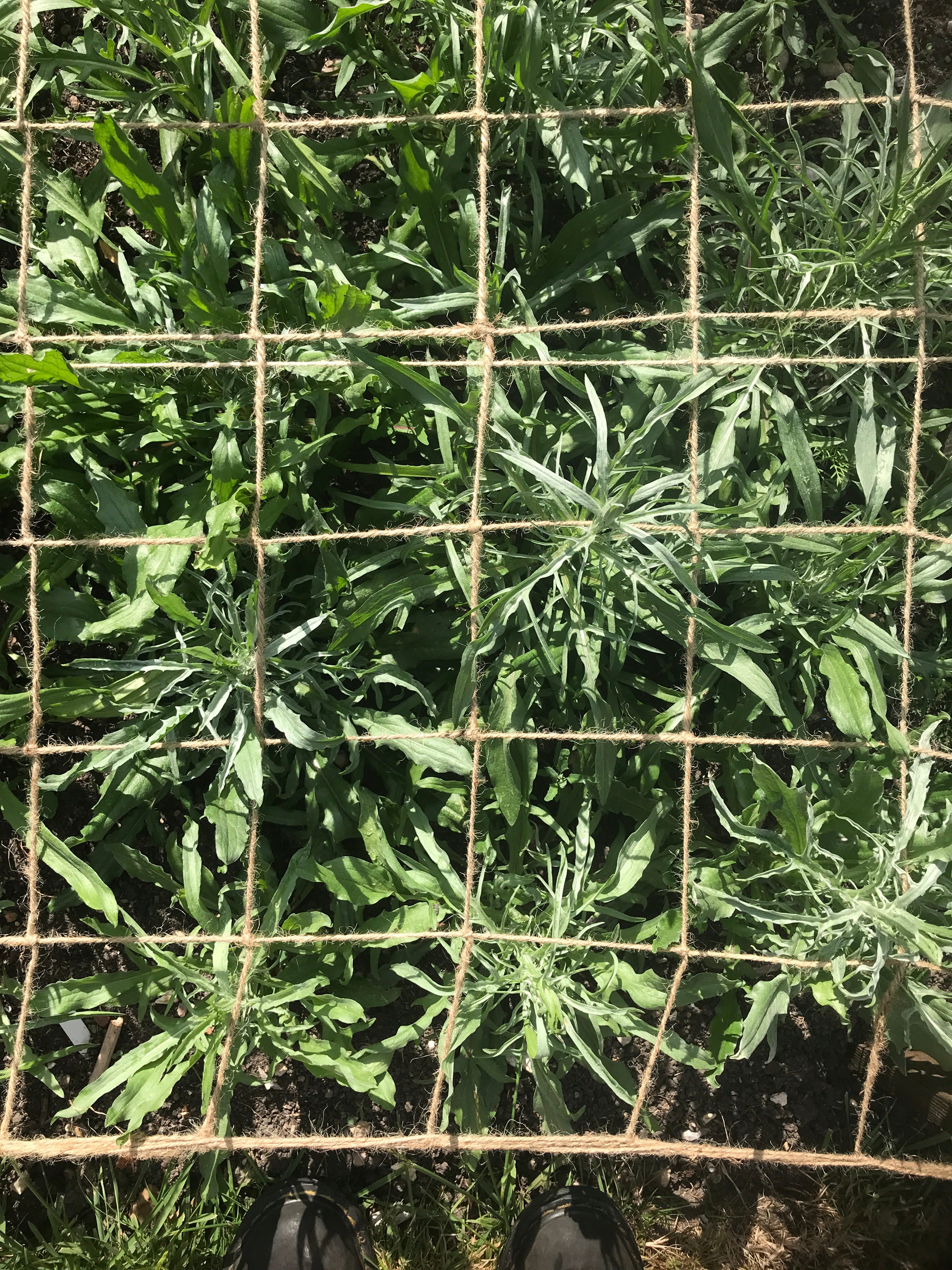
Either individually with a couple of canes, or a metal support. If growing in dedicated productive beds, with jute netting stretched between stakes about 18” high. It is hard to believe that tiny plugs will grow several feet over the next few months, but they do. And there are always summer storms to test. A dedicated article on different ways to do this.
Final sowings of half hardy and hardy annuals.
If you have gaps, it is worth a last attempt for late summer flowers. The quickest are poppies that love to grow in newly turned warm soil. They’ll flower in about 8 weeks. Or cosmos, these beautiful sunflowers, this red grass for some architectural interest and great for arranging with dahlias.
Thin out annuals
Those that self sowed (oh the joy of a mature plot) or you directly sowed in the spring, can be thinned out to allow plenty of room for growth, light and air circulation. You aren’t alone if you find it so hard to pull out perfectly good, strong plants but the ones left will be better for it. You could transplant these into another spot, pot them on for a friend or throw into the compost heap for next years plants. You have far too many other things to do and the soil needs that food.
Sow Biennials for flowers this time next year
Still time to do this over the next few weeks. When there is so much to do for this years garden, it seems a job too many to attempt biennials but you will be thrilled this time next year if you do. Read up on my favourites here. Honesty, sweet rocket and wallflowers are such gap fillers but utterly lovely in their own right. They take a full year to grow and flower from seed, and often better the following year still.
Final ‘balanced’ feeds
Did you make your own feed with nettles, compost and stinky fresh manure? Goodness you know it is ready when it stinks. The plants love it. After midsummer the plants need to concentrate on flowers and fruit so I’m using all this up now to feed plants trace nbuttirent and minerals to grow strong roots and leaves. I don’t water the soil, most of it will get lost. I add a couple of tea cups to my 10 litre sprayer and go over the whole plots one evenning, covering the leaves and stems (avoid any flowers). This is a great folier feed. You need less liquid, it’s fair quicker and effective being taken in more directly by the plants.
Lift and split spring bulbs
If they didn’t flower well as over crowded, these will do far better to be replanted in the autumn with more space.
Deadhead & deadhead
After all your efforts, don’t let plants run to seed before their time. Keep snipping off flower heads that bloomed before you got to them. Or if they have run to seed, save it - your own seed is the best!
Harvesting
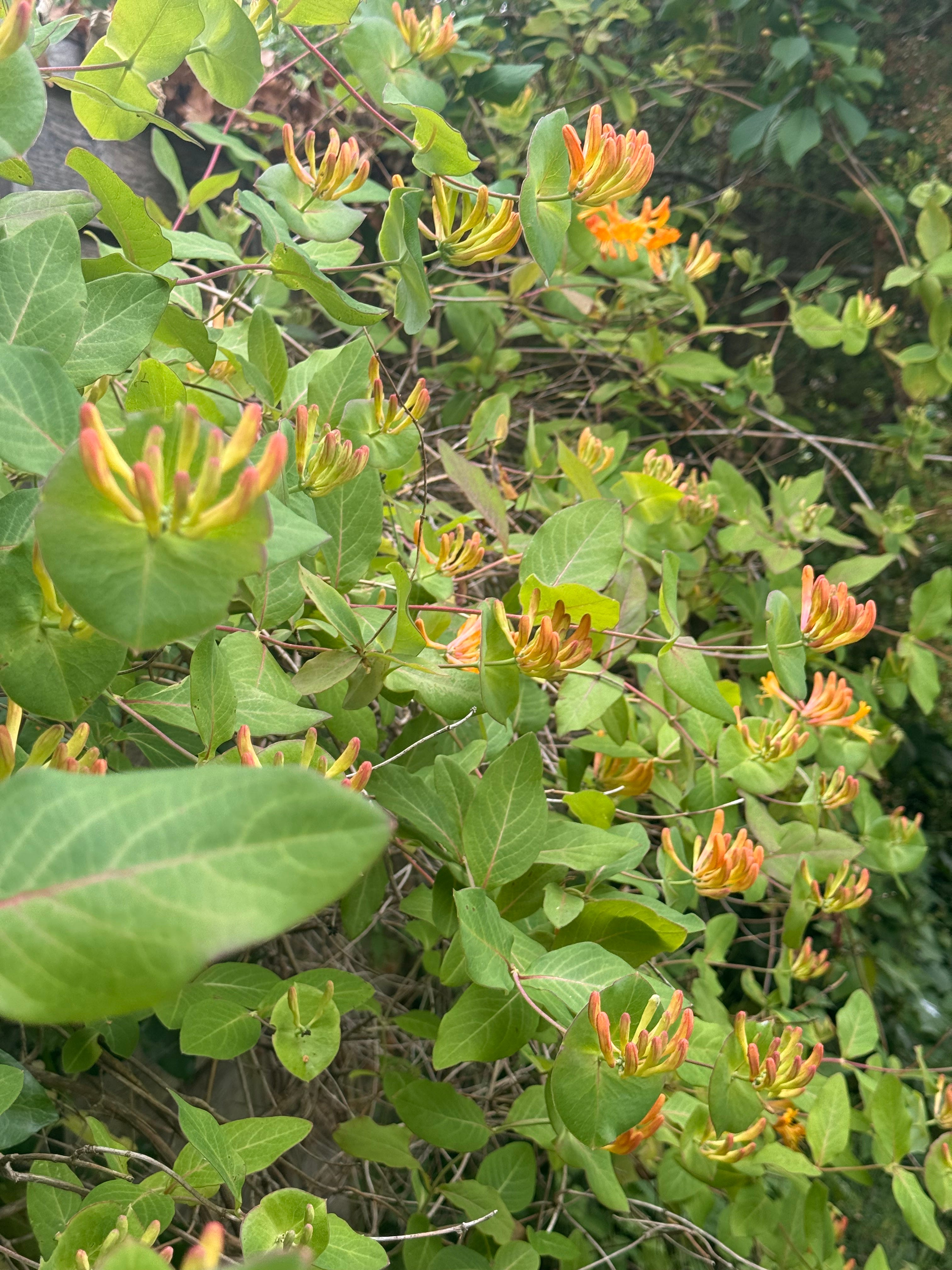
Shrubs - Philadelphus, viburnum, roses, lonicera
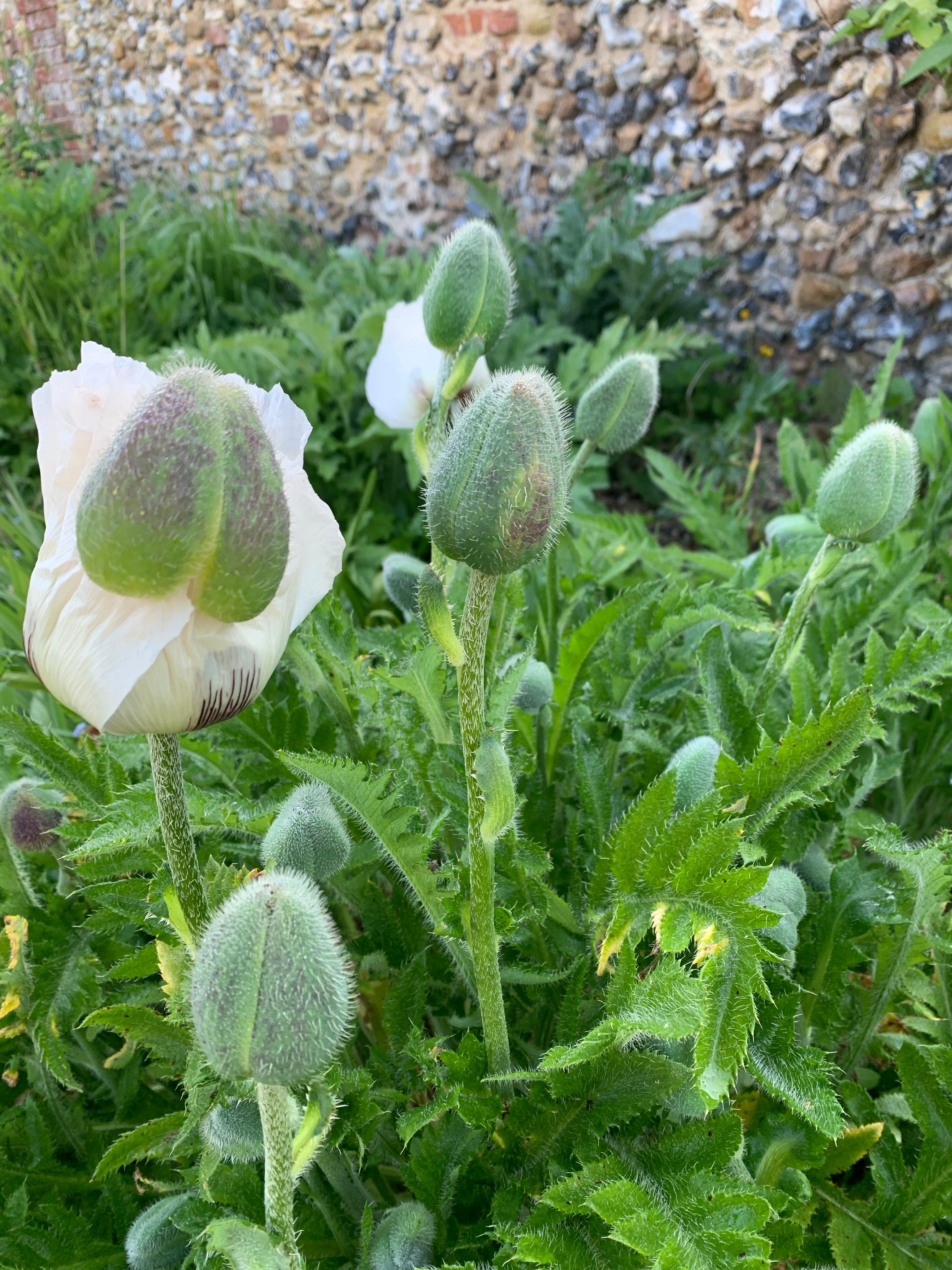
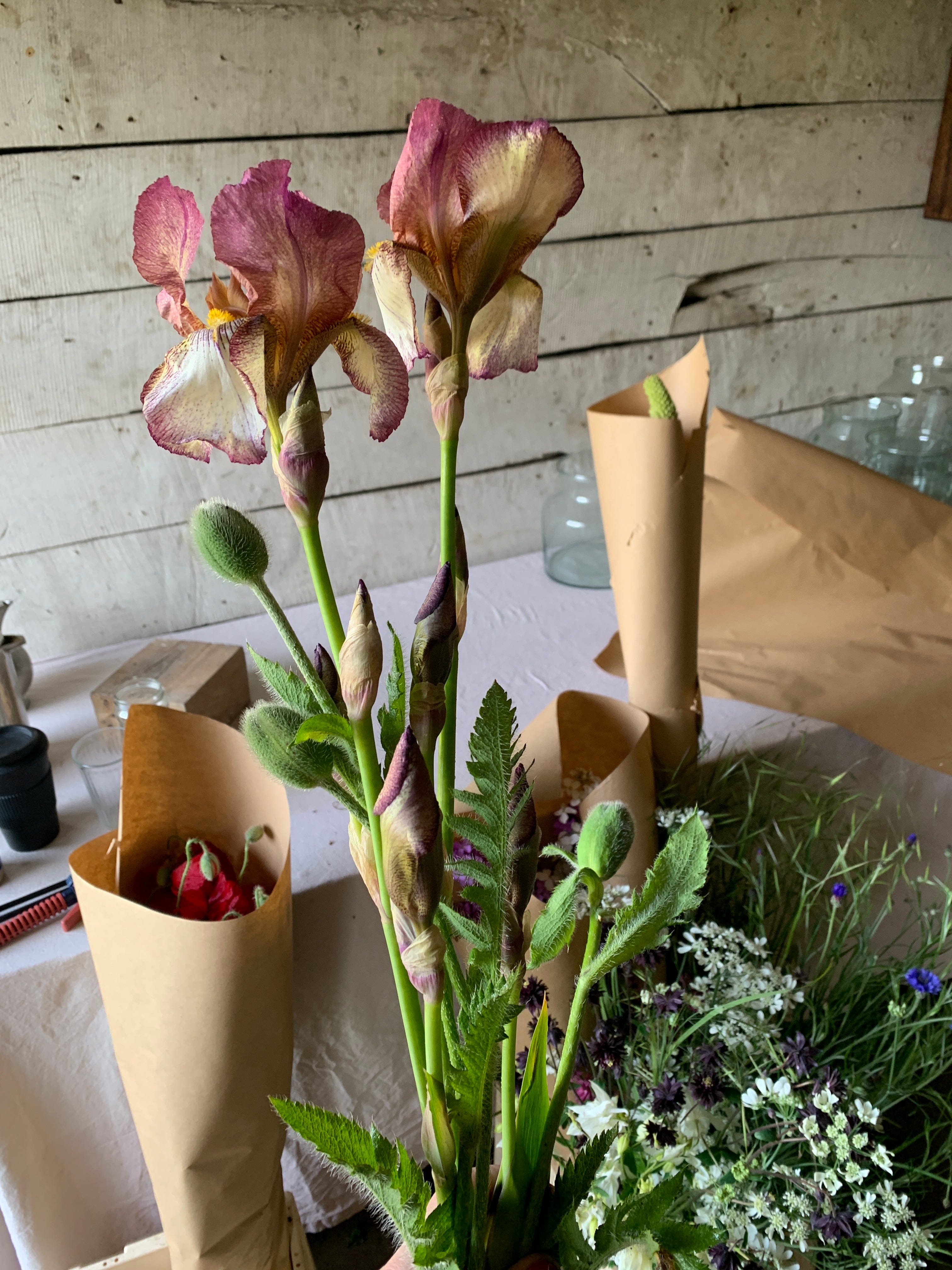
Perennials - Perennial Poppies & cornflowers, aquilegia, ladies mantle, peonies, delphiniums, nepeta, iris
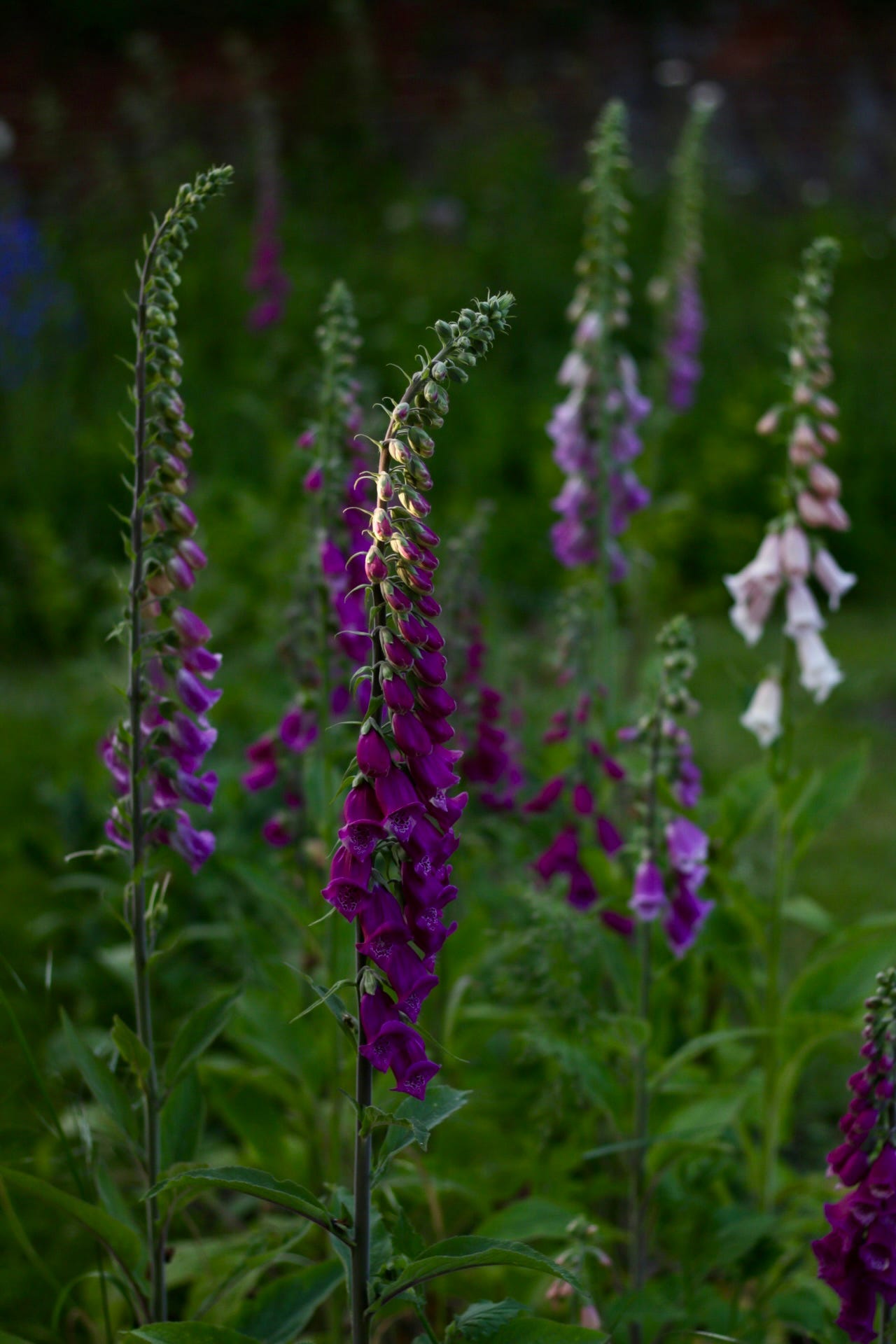
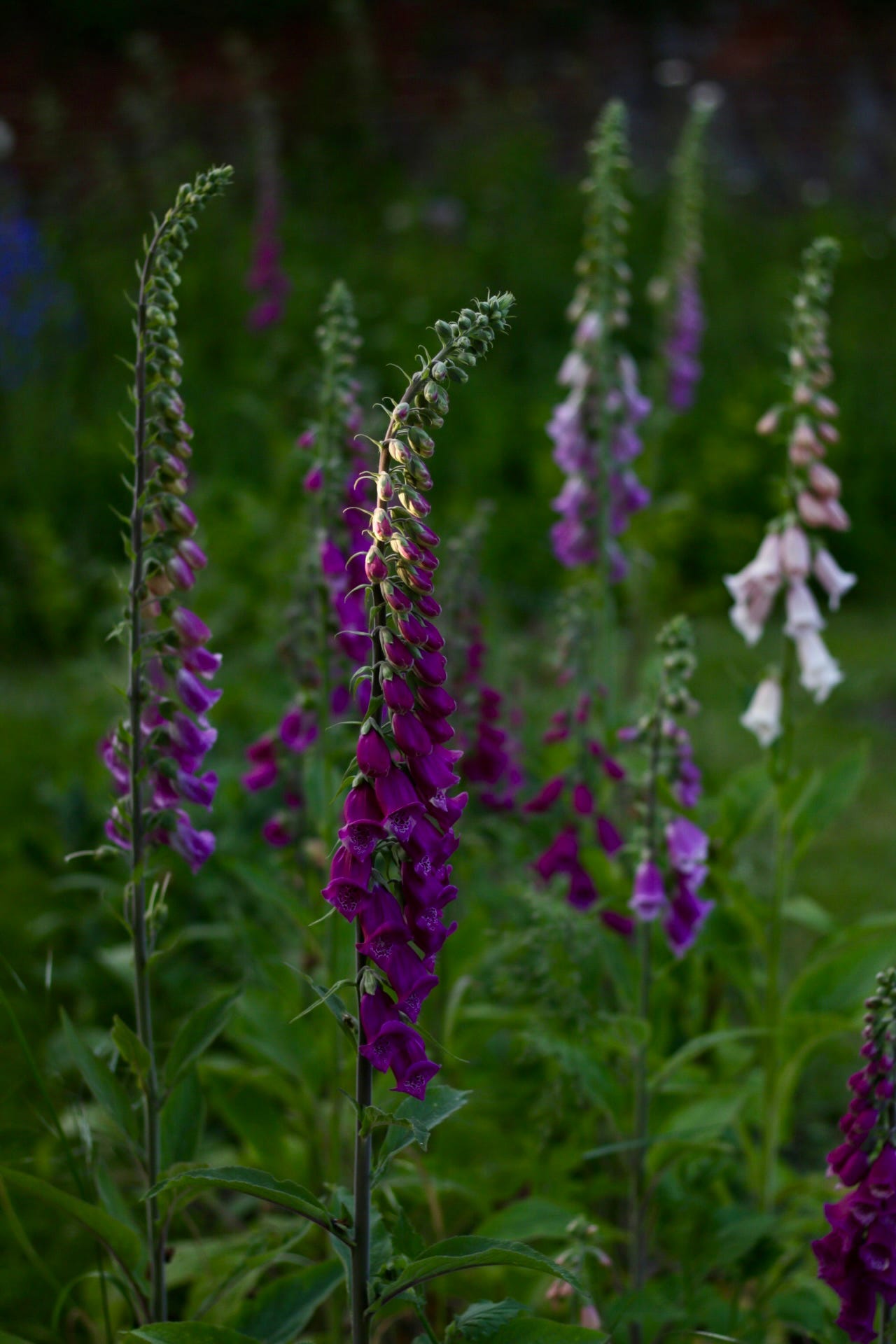
Biennials - Sweet rocket, foxgloves, sweet william, honesty
Annuals - Autumn sown plants will be big and flowering now including cornflowers, orlaya and sweet peas. Cut hard for fresh new growth and flowers.
Much more help for your growing can be found by visiting the hundreds of articles in the library Floral Index here or why not call me to discuss a consultation - either online or I can come to you.
Have a great month outside!
With love,

Also what is the name of the iris you showed ?
What a comprehensive to do list .
The photo of a grid for cornflowers is such a great idea - I have used a piece of string to tie them all together which is quite ugly